Heritage
Venice of the East
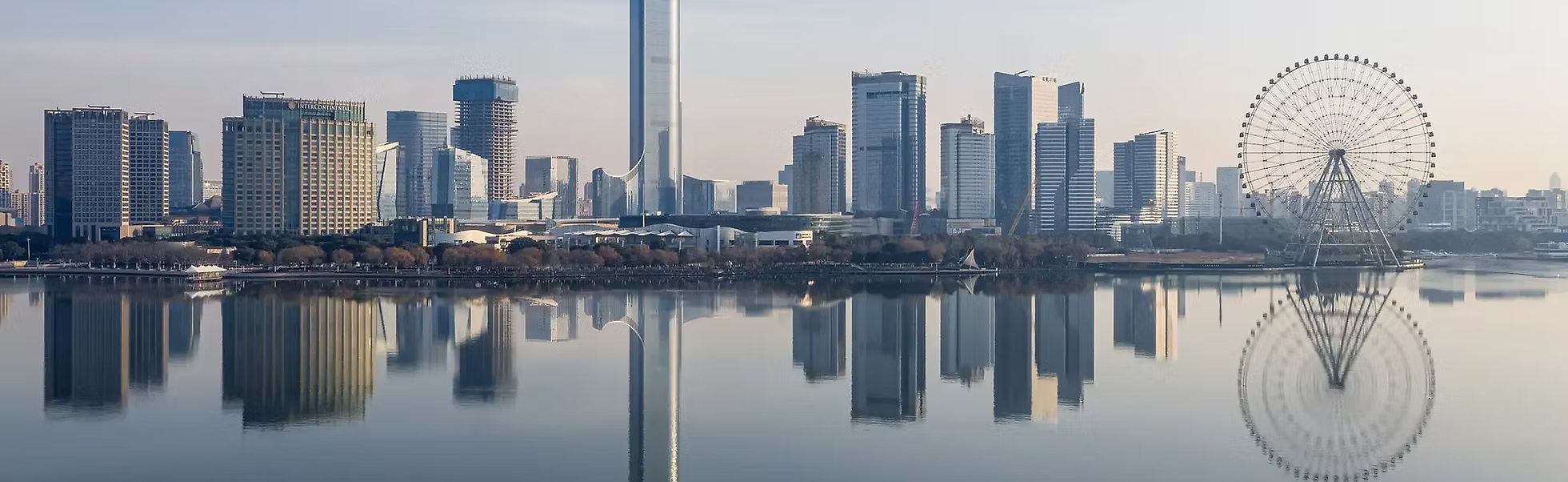
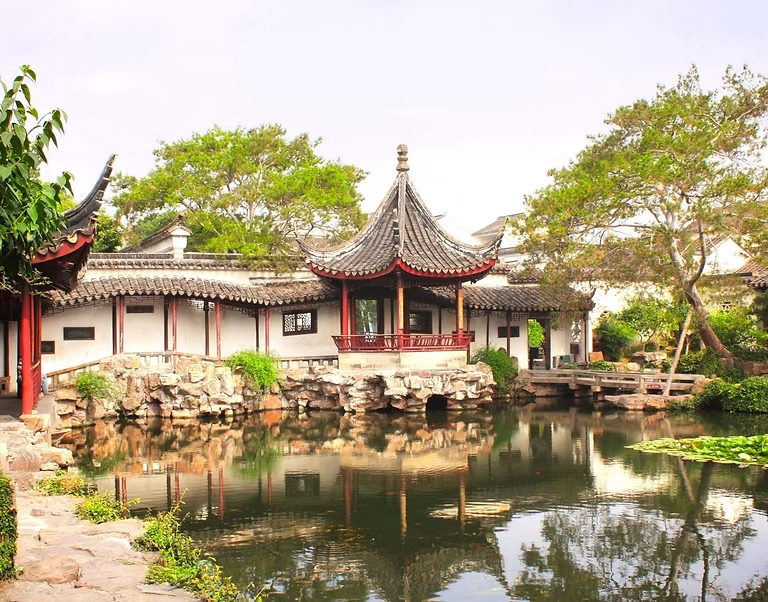
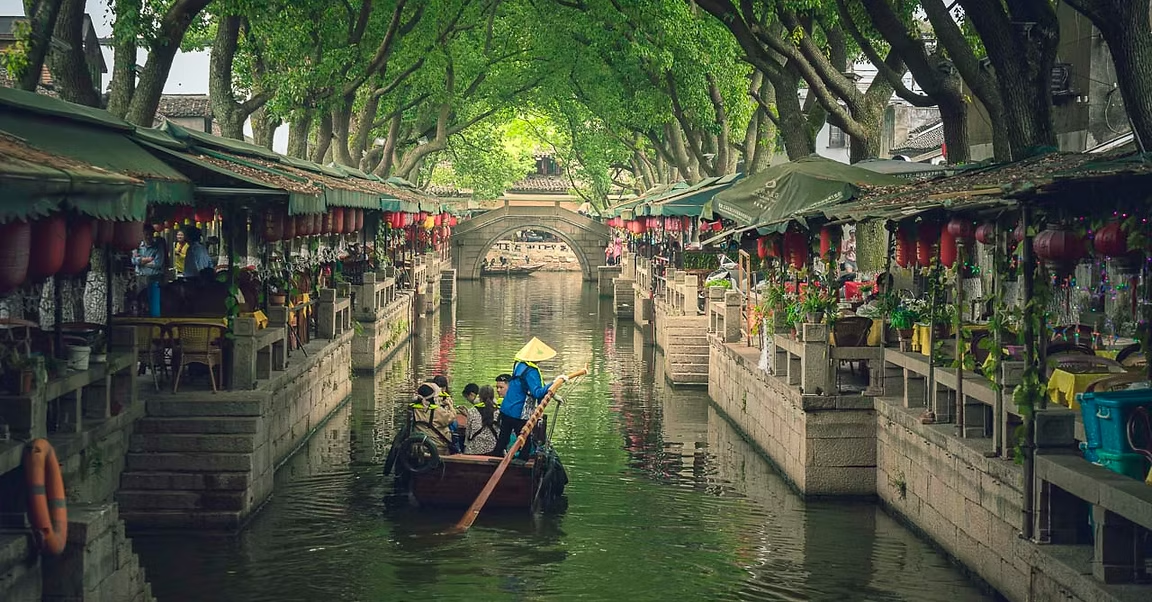
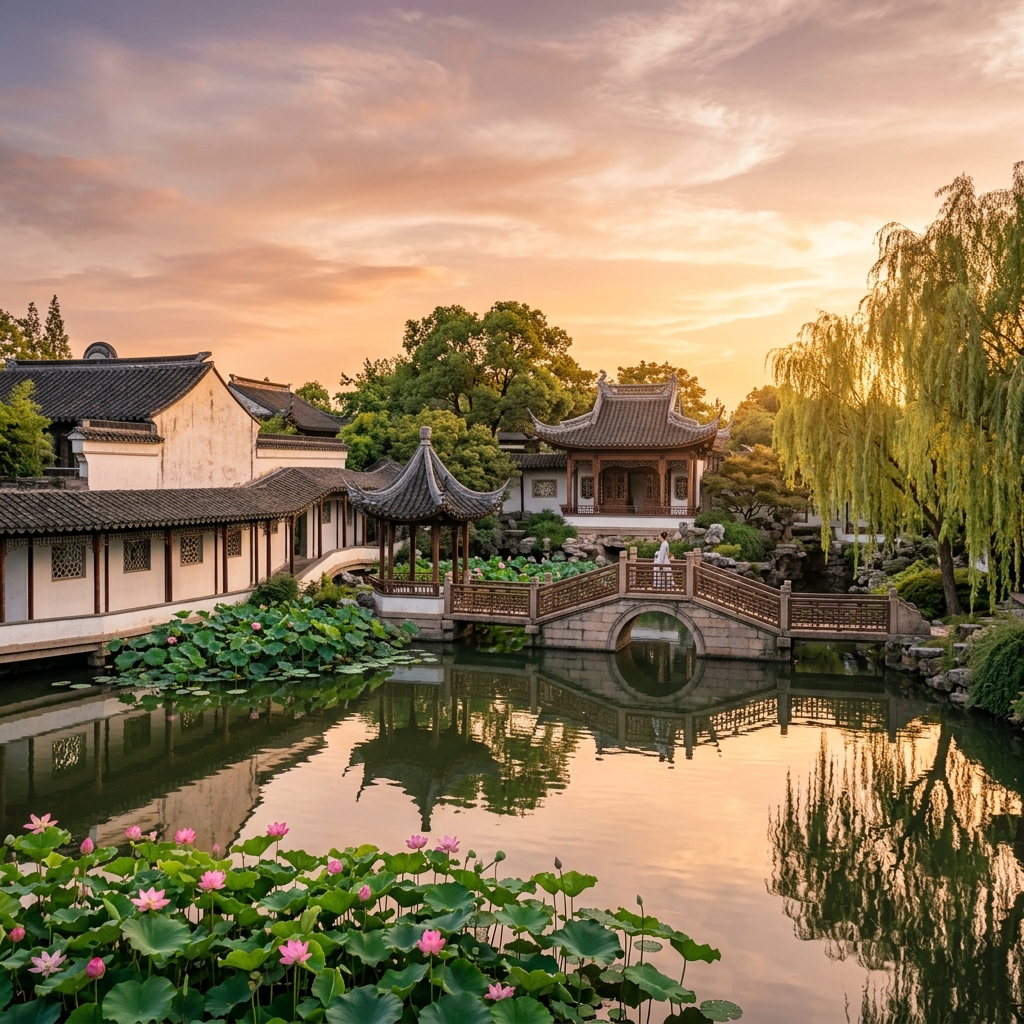
Suzhou, anciently known as Gusu, epitomizes the harmonious interplay between China's cultural legacy and modern dynamism. As a 2,500-year-old "Venice of the East", this Jiangnan gem enchants the world with its UNESCO-listed classical gardens featuring poetic landscapes of arched bridges, flowing canals, and whitewashed walls beneath gray-tiled roofs.
The city breathes cultural sophistication through Kunqu opera — the progenitor of Chinese theater — and the exquisite art of Suzhou embroidery, while its lilting Wu dialect melodies mingle with Pingtan storytelling rhythms along ancient waterways. Nine UNESCO World Heritage gardens dot the cityscape, each a living poem of hillocks, pavilions, ponds, and rare rockeries.
Economy
A $367B Powerhouse
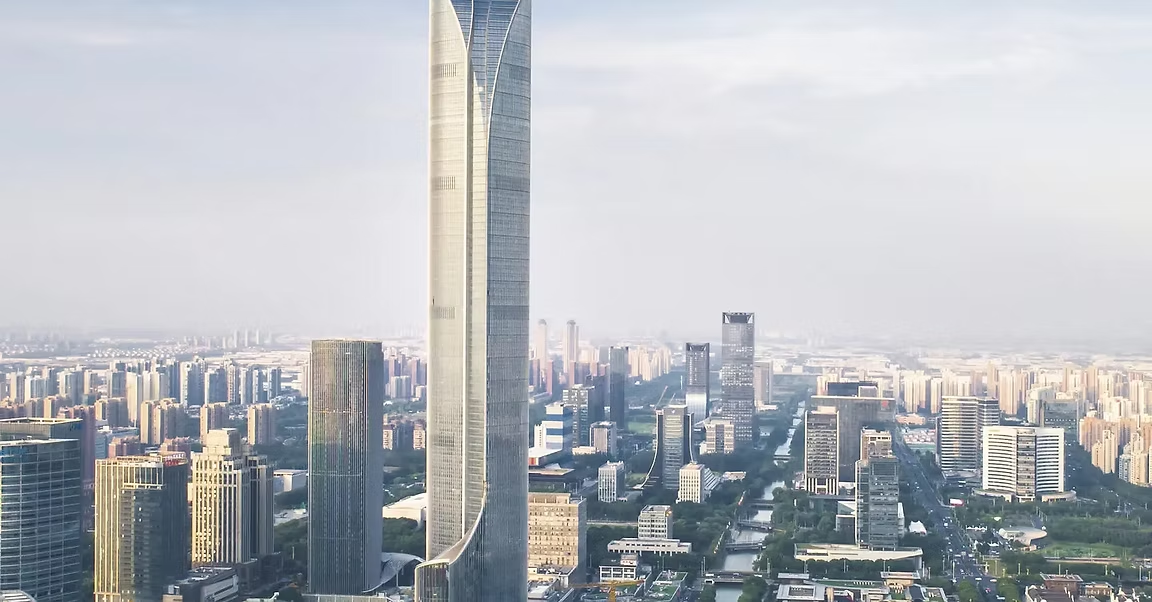
Now a US$367 billion GDP powerhouse, Suzhou dominates China's prefecture-level cities with three trillion-yuan industrial clusters in advanced manufacturing, supported by 160,000 enterprises. Its metro-linked global supply chains converge with the Yangtze River's busiest container port, which has maintained shipping supremacy for 15 consecutive years.
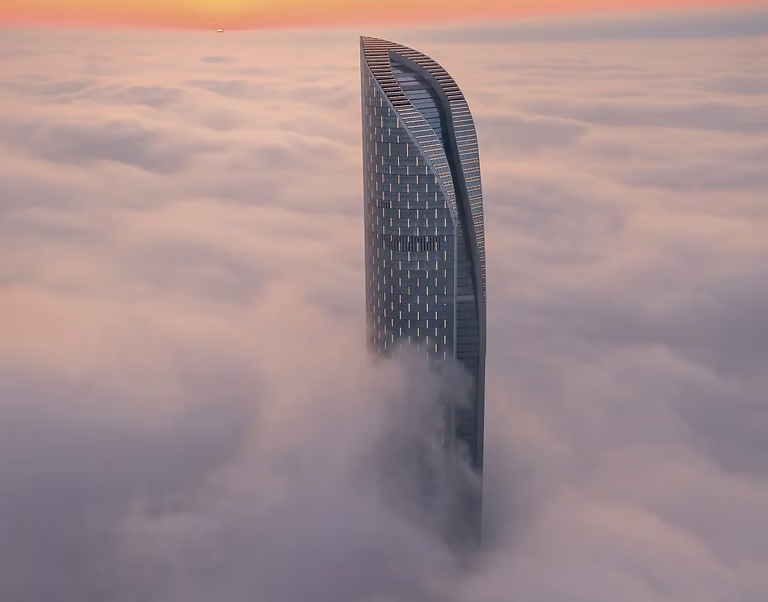
The cityscape reveals temporal dialogue: North Temple Pagoda's timeless silhouette mirrors modern skylines, while Song brocade craftsmanship from Pingjiang Road's Ming-era lanes transforms into haute couture at international fashion weeks. Nighttime garden immersions blend augmented reality with Shen Fu's Qing-dynasty memoir, reimagining Jiangnan's dreamscape.
This dual identity — where heritage artisanship coexists with semiconductor innovation — positions Suzhou as a living exhibition of China's civilizational continuum and a globalized urban prototype. For YAFEI 33, Suzhou is not just a base of operations; it is a gateway connecting the world to China's most dynamic economic and cultural region.